Display Table of Contents
Air source heat pumps typically cost between £8,000 and £14,000 to install in a UK home. Annual running costs can match or undercut a gas boiler, depending on the property’s insulation and tariff. The Boiler Upgrade Scheme currently offers a £7,500 grant, which significantly reduces upfront spend.
This guide explains real-world running costs, payback periods, efficiency ratings, and the conditions that determine whether a heat pump saves money in a specific property.
Key takeaways
- Most air source heat pumps deliver 2.5–3.5 kWh of heat for every 1 kWh of electricity in UK winters.
- The Boiler Upgrade Scheme cuts net installation costs to roughly £2,000–£6,500.
- Homes replacing oil or LPG boilers typically recover their investment within six to eight years.
- Before installation, insulate walls and lofts and seal draughts. This is the single most cost-effective step.
- For best efficiency, target a flow temperature of 35–45°C and oversize radiators by 50–100%.
- Replacing a modern condensing gas boiler rarely saves enough to justify the switch financially.
- Small flats and mid-terrace homes often lack outdoor space for the external unit.
How Air Source Heat Pumps Change Running Costs in UK Homes
Check your current gas or oil bill against your electricity rate before you size a system. Heat pumps move thermal energy instead of generating it through combustion. A well-installed unit delivers roughly 3 kWh of heat for every 1 kWh of electricity consumed. That ratio, the Coefficient of Performance (COP), sits between 2.5 and 3.5 for most air source models in UK winter conditions.
UK electricity costs around 24p per kWh, while mains gas sits near 7p per kWh. At a COP of 3, the effective heating cost is roughly 8p per kWh. That puts it close to gas, not dramatically cheaper. Homes replacing oil, LPG, or electric storage heaters often see sharper reductions because those fuels cost more per unit of delivered heat.
Poor insulation makes the heat pump work harder and can push the COP below 2.5. Upgrading loft and cavity wall insulation before installation helps keep flow temperatures low, where air source units perform best. Properties with good insulation, underfloor heating, or oversized radiators reach higher COP values and deliver the strongest running-cost savings.
Upfront Installation Costs, Grants and Payback Periods
| Measure | Article figure |
|---|---|
| Typical installation cost before grant | £7,000 to £14,000 |
| Boiler Upgrade Scheme voucher | £7,500 |
| Typical net outlay after grant | £2,000 to £6,500 |
| Typical payback when replacing oil or LPG | 6 to 8 years |
| Typical payback when replacing a modern gas combi boiler | 10 to 15 years |
A typical air source heat pump installation in the UK costs between £7,000 and £14,000 before grant support. The Boiler Upgrade Scheme (BUS) currently provides a £7,500 voucher, which brings net outlay for many homes to between £2,000 and £6,500.
Payback timelines depend on the fuel being replaced. Homes switching from oil or LPG boilers can recover the net investment within six to eight years. Replacing a modern gas combi boiler usually leads to a longer payback of ten to fifteen years because mains gas remains the cheapest fuel per kilowatt-hour.
Before committing, assess how efficient your boiler is right now. An ageing unit running at 75% efficiency narrows the cost gap considerably.
Adding loft or cavity wall insulation before installation reduces the heat pump’s workload and may allow a smaller unit. This cuts both the purchase price and ongoing electricity consumption. A correctly sized system typically reaches its payback threshold one to three years sooner than an oversized one struggling with poor insulation.
Which UK Homes See the Best Value From an Air Source Heat Pump
Poor insulation lets heat escape faster than a heat pump can replace it. Fabric efficiency, including wall insulation, loft insulation, and draught-proofing, often determines whether a system runs at a COP of 3.5 or struggles below 2.0. Fixing these gaps before installation is often the single most cost-effective step.
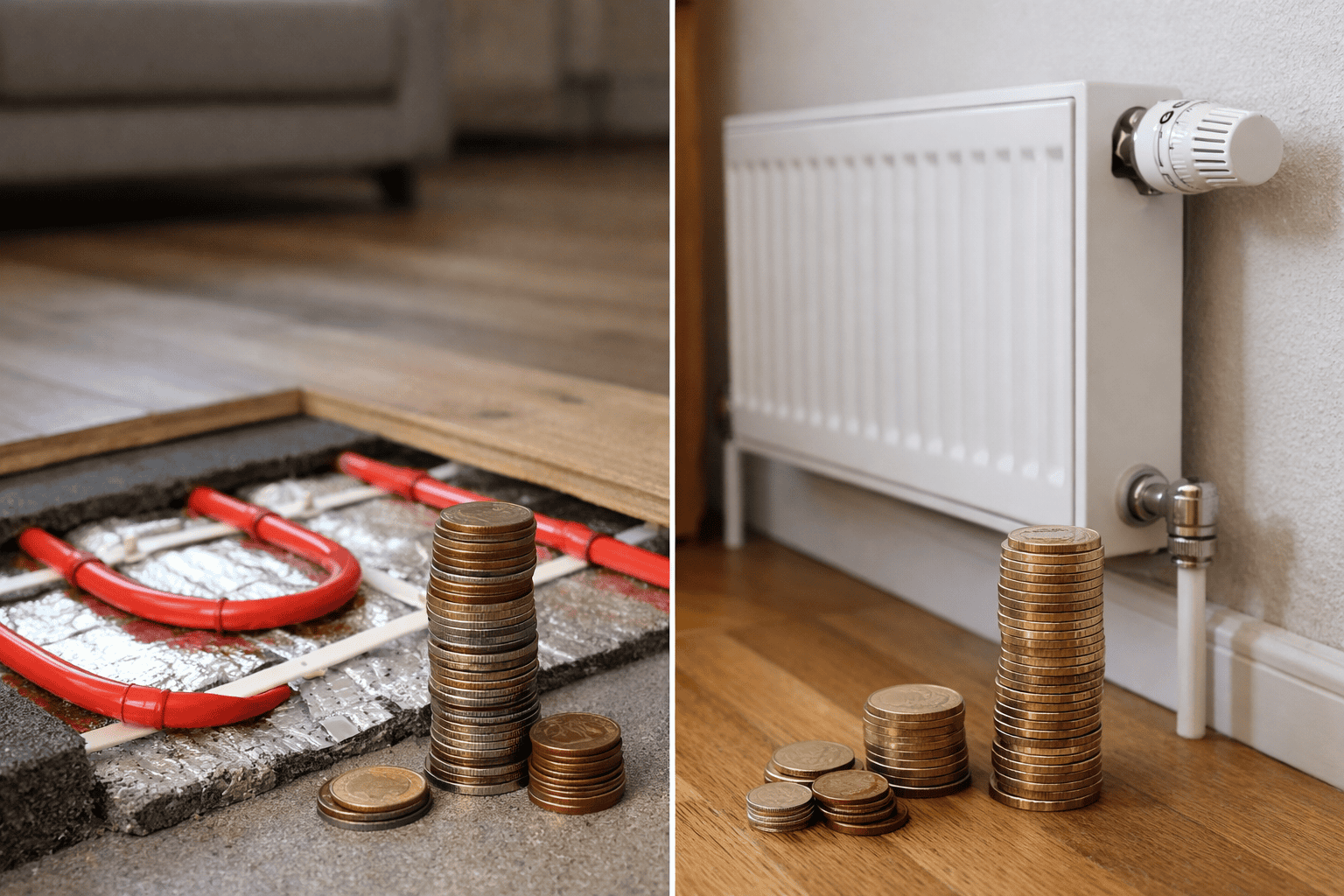
Detached and semi-detached properties with outdoor space for the external unit tend to benefit most. Larger radiators or underfloor heating spread warmth at lower flow temperatures (35 to 45°C), which keeps the pump in its most efficient range. Homes already fitted with underfloor heating can expect lower running costs from day one.
Properties heated by oil, LPG, or electric storage heaters often gain the strongest financial advantage. Mains gas remains cheap per kWh, so gas-heated homes usually see slimmer margins unless insulation is excellent and sizing is precise. A qualified installer can run heat-loss calculations for a specific property. Find a local plumber with heat pump experience for an accurate assessment.
New-build homes designed to Part L 2021 building regulations already meet the insulation and airtightness thresholds needed for air source heat pumps to perform at peak efficiency.
How Insulation, Radiators and Flow Temperature Affect Cost-Effectiveness
Flow temperature has the biggest effect on a heat pump’s seasonal efficiency. Gas boilers push water at 65–75°C. If an air source heat pump runs at those temperatures, the compressor works harder, the COP drops below 2.0, and running-cost savings disappear.
Aim for 35–45°C. Radiators must be large enough to heat each room at that lower temperature. Oversize them by 50–100% or switch to double-panel convector radiators. Underfloor heating also suits heat pumps well, because its large surface area delivers sufficient warmth at 30–40°C.
Insulation determines whether low flow temperatures can keep rooms comfortable. A poorly insulated home loses heat faster, so installers often raise the flow temperature, which pushes up electricity bills. Prioritise cavity wall insulation, 270mm+ of loft insulation, and double or triple glazing before commissioning the system.
Sequencing matters as well. If the heat pump is installed before insulation, the system is sized for a leaky building and becomes oversized once the fabric improves. Oversized units short-cycle, which reduces component lifespan and efficiency. Upgrade the building fabric first, then size the heat pump to match the lower heat loss.
When an Air Source Heat Pump Is Not the Most Cost-Effective Choice
- Replacing oil, LPG, or electric storage heating
- Home has good insulation and low heat loss
- System can run at 35 to 45°C flow temperature
- Property has underfloor heating or oversized radiators
- Installer sizes the system correctly
- Replacing a modern mains gas combi boiler
- Home has poor insulation or draught issues
- Radiators are too small for low-temperature heating
- System needs 65 to 75°C style boiler temperatures
- COP falls below 2.0 to 2.5 in real use
Running costs can rise sharply when a heat pump replaces a modern condensing gas boiler in a well-insulated home on the mains gas network. Gas at roughly 7p per kWh remains cheaper than electricity at around 24p per kWh, and even a COP of 3.0 brings the effective heat cost to about 8p per kWh. That leaves almost no savings gap and can push payback well beyond 15 years.
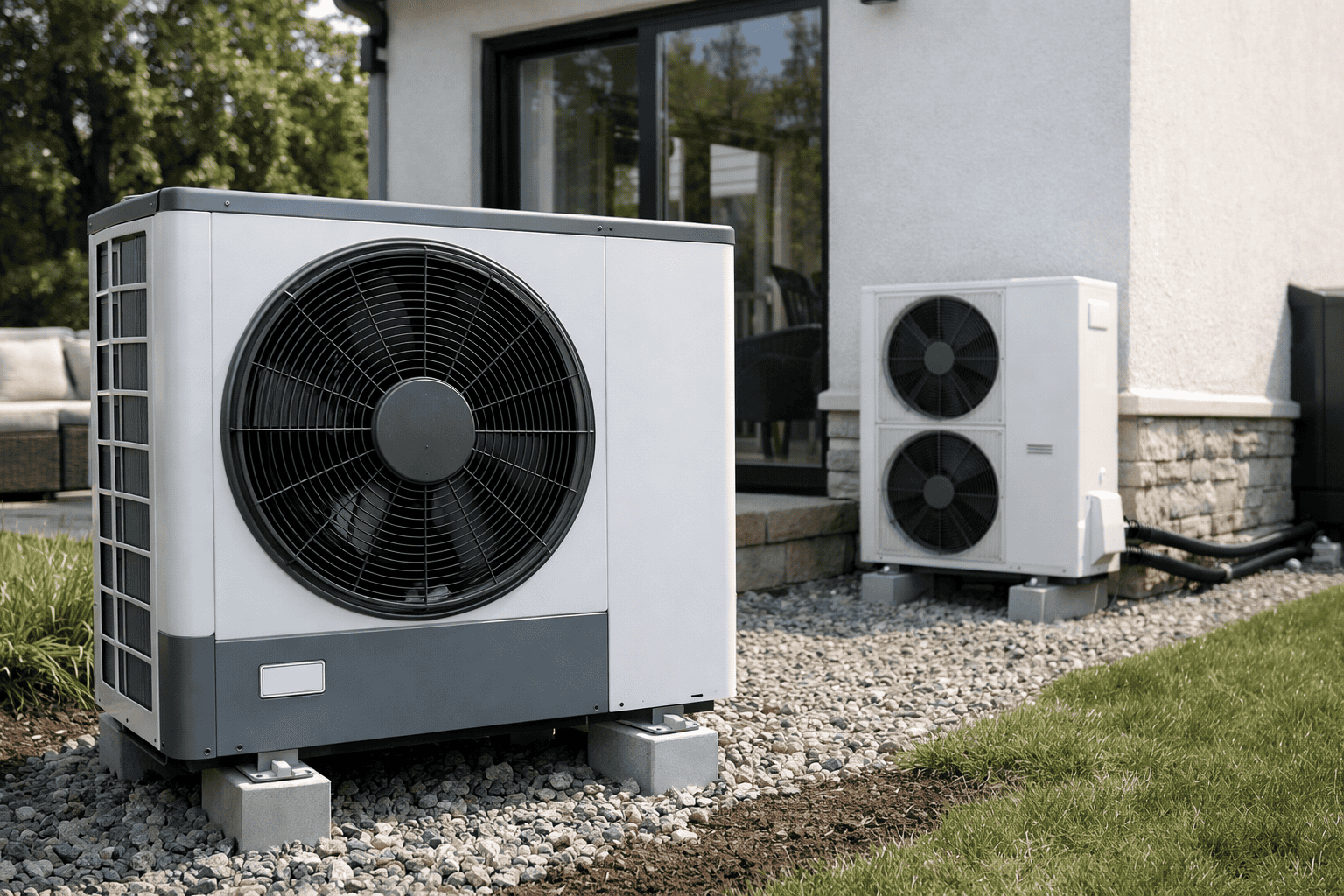
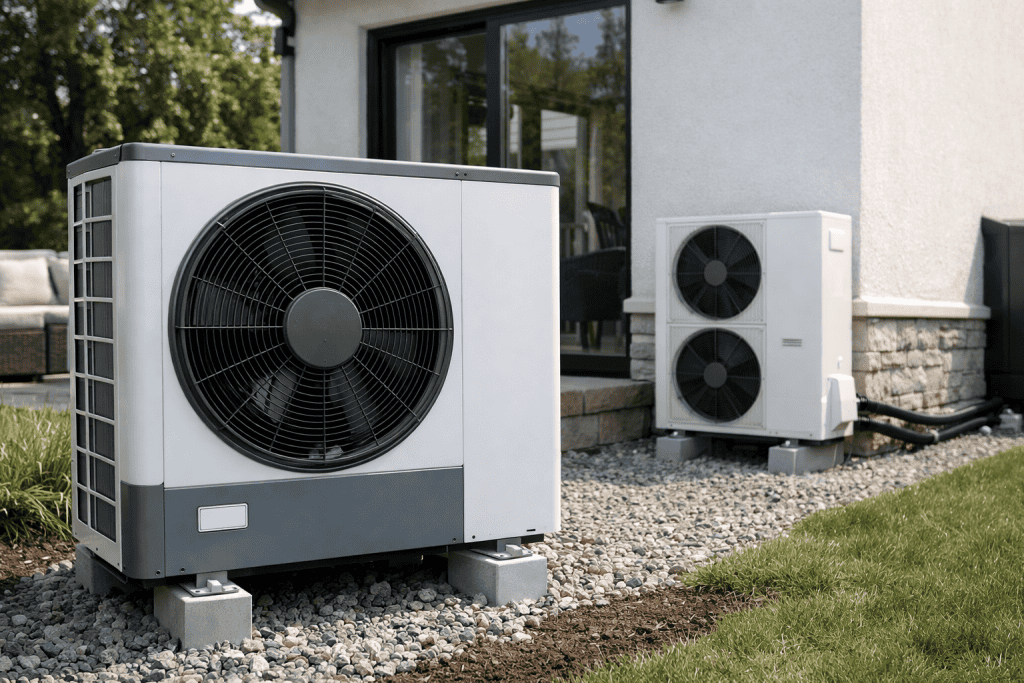
Small flats and mid-terrace houses often lack enough outdoor space for the external unit without breaching planning or noise regulations. Listed buildings face extra restrictions, which can raise costs or rule out the work entirely.
Homes with very low heating demand, such as well-insulated new builds under 60 m², produce too few annual savings to justify the outlay, even after the £7,500 BUS voucher. Upgrading insulation, fitting a modern boiler, or adding solar thermal panels may offer better returns per pound spent. Find more Energy Saving Tips at Saving Energy At Home to compare alternative measures before committing.
Frequently Asked Questions
How much can an air source heat pump reduce annual heating costs in a UK home?
Annual savings typically range from £200 to £500 compared with an older gas boiler. The exact figure depends on home insulation, local electricity tariffs, and system sizing. Well-insulated properties with a suitable heat pump design see the largest reductions. Homes replacing oil or LPG systems often save more than those switching from mains gas.
What factors have the biggest impact on whether an air source heat pump is cost-effective?
The fuel you replace matters most. Homes moving from oil, LPG, or electric heating usually see the fastest payback. Insulation levels, the heat pump’s seasonal efficiency (SCOP), and the radiator or underfloor heating setup also shape running costs in a major way.
Are air source heat pumps still cost-effective in older or poorly insulated UK homes?
Improve insulation before installing a heat pump. Poor insulation lets heat escape faster than the system can replace it efficiently. That raises running costs and cuts potential savings. Upgrading loft, cavity wall, and floor insulation first helps the heat pump run at a lower flow temperature, where it performs best and delivers genuine cost benefits.
How do installation costs and government grants affect the payback period for air source heat pumps?
Typical installations cost £7,000 to £14,000 before grants. The Boiler Upgrade Scheme covers £7,500 of that amount, which can shorten payback periods significantly. With the grant applied, most households recoup their investment within 8 to 12 years, although the exact timeline depends on the fuel source being replaced and the home’s insulation standard.
How does the long-term cost of an air source heat pump compare with a gas boiler in the UK?
Typical payback periods for air source heat pumps in UK homes range from 7 to 12 years. After that, lower running costs can deliver net savings compared with a gas boiler. The exact timeline depends on your home’s insulation, electricity tariff, and whether you use the Boiler Upgrade Scheme grant to cut the upfront cost.