Display Table of Contents
Home batteries store electricity for later use, often pairing with solar panels or off-peak tariffs. In Britain, typical systems offer 5–15 kWh of usable capacity, enough to cover evening demand for many households. Installed prices commonly range from £4,000 to £10,000, depending on size and inverter type. This guide examines payback periods, bill savings, and practical limits such as winter generation and export rates, so you can judge whether a battery suits your home.
Key takeaways
- Home batteries mainly increase self-consumption of solar, not total generation.
- Best payback comes from pairing batteries with time-of-use tariffs and smart charging.
- Typical UK home batteries store about 5–15 kWh, covering evening electricity use.
- Upfront costs remain high, so savings depend on household demand and tariff spreads.
- Export payments and SEG rates can reduce the case for storing solar instead.
- Battery warranties often guarantee around 10 years or a set number of cycles.
What a home battery does in a British household (solar self-consumption, peak shaving, backup)
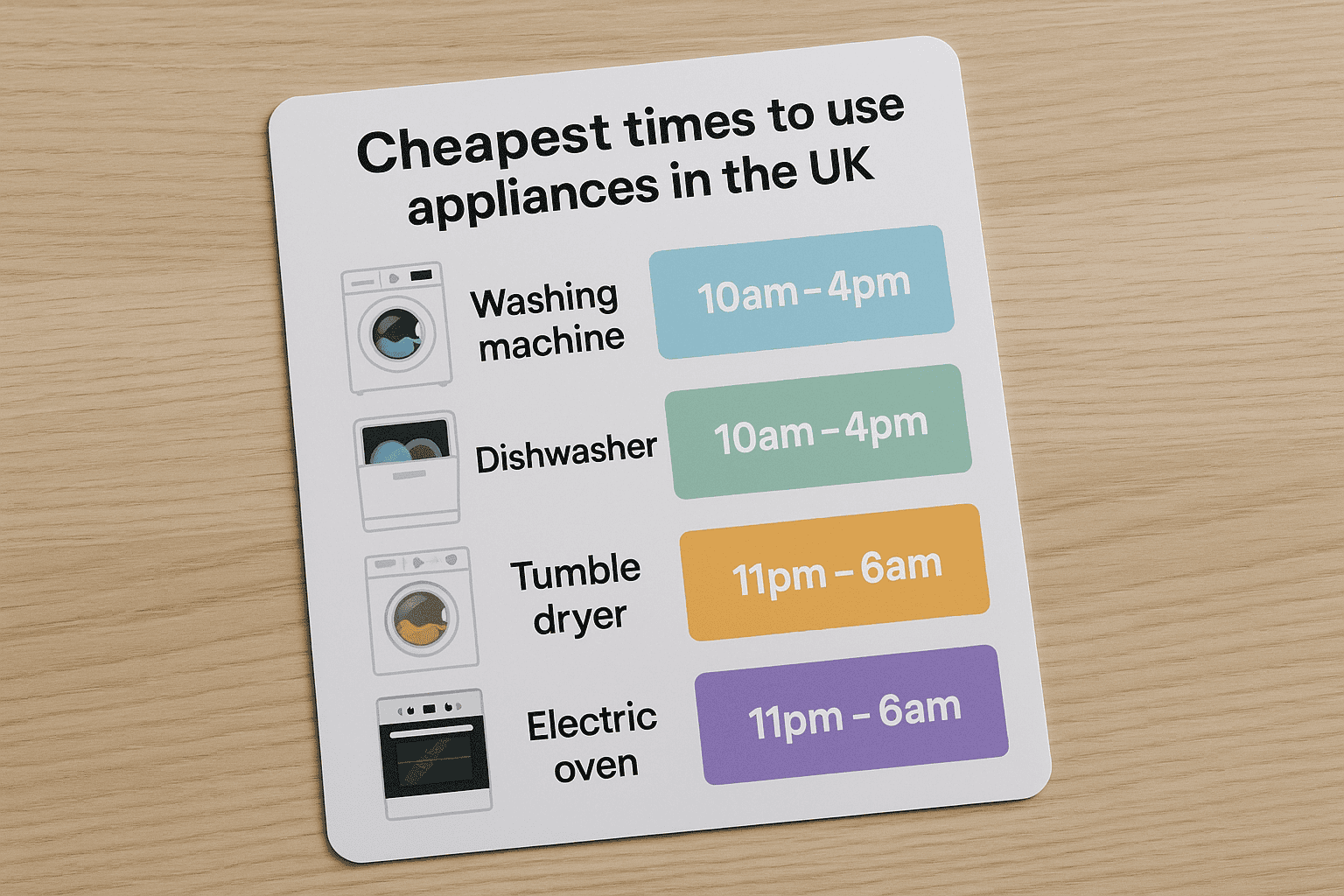
As of 2024, a typical UK household used about 2,700 kWh of electricity per year (Department for Energy Security and Net Zero, GOV.UK). A home battery stores part of that demand as electricity generated earlier (usually from rooftop solar) or bought from the grid at cheaper times, then supplies it later when prices rise. This shift matters because UK electricity tariffs often vary by time of use, and evening demand commonly peaks between about 16:00 and 20:00.
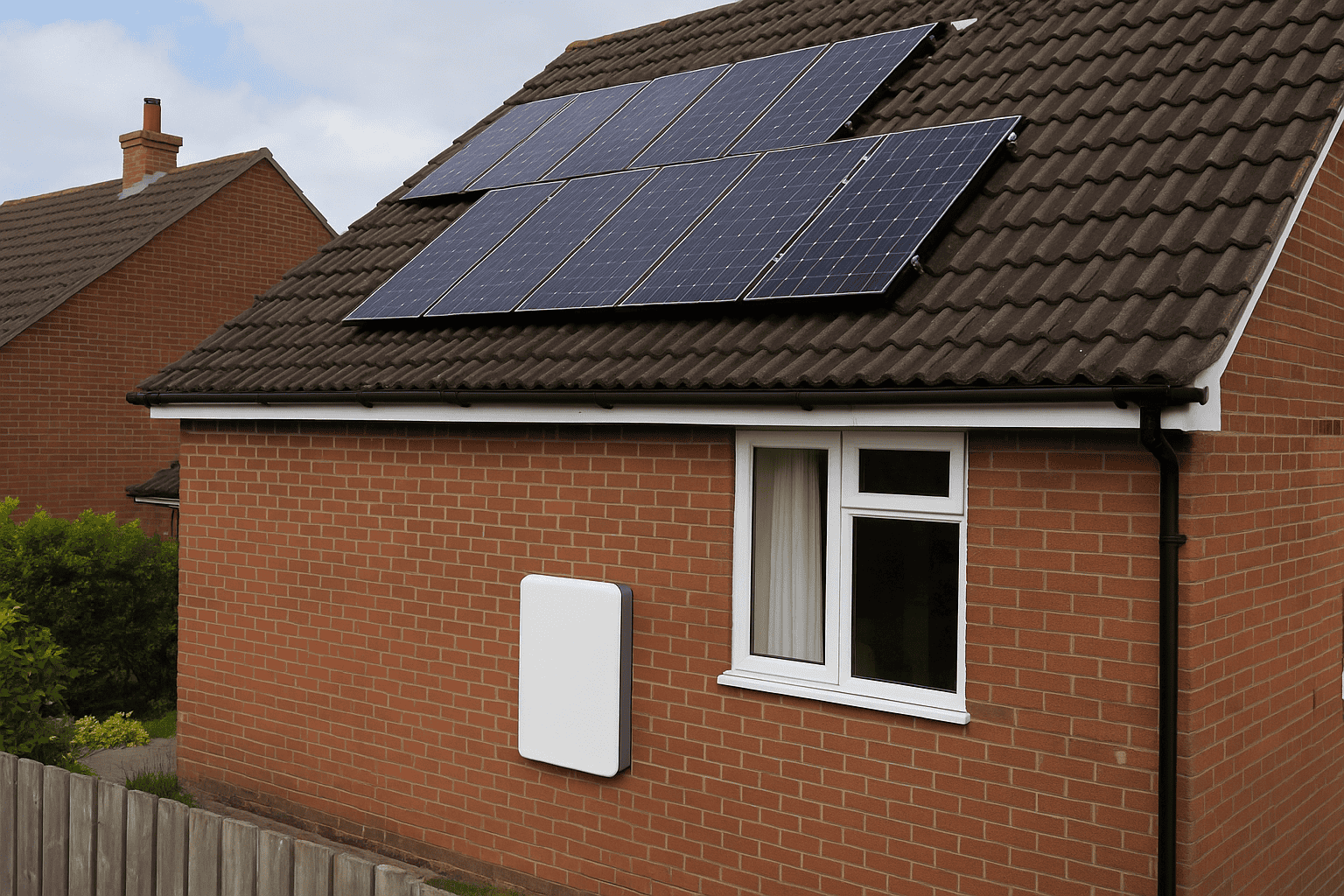
For solar homes, the main job is raising self-consumption. Without storage, many households export surplus solar around midday and buy electricity back after sunset. A battery can capture several kilowatt-hours that would otherwise leave the property, then discharge during cooking and heating loads. Most residential batteries sold in Britain sit in the 5–13.5 kWh range, which typically covers a meaningful share of an evening’s usage rather than multiple days.
For non-solar homes, batteries support peak shaving by charging overnight and discharging during higher-rate periods, reducing expensive imports. Backup power is more limited: many systems need an extra gateway and can only run selected circuits. UK power reliability remains high, with customers averaging about 33 minutes without electricity in 2023/24 (Ofgem, Ofgem), so backup tends to rank behind bill reduction for most households.
Costs, grants, and payback in Britain (battery price ranges, installation, VAT, and SEG interaction)
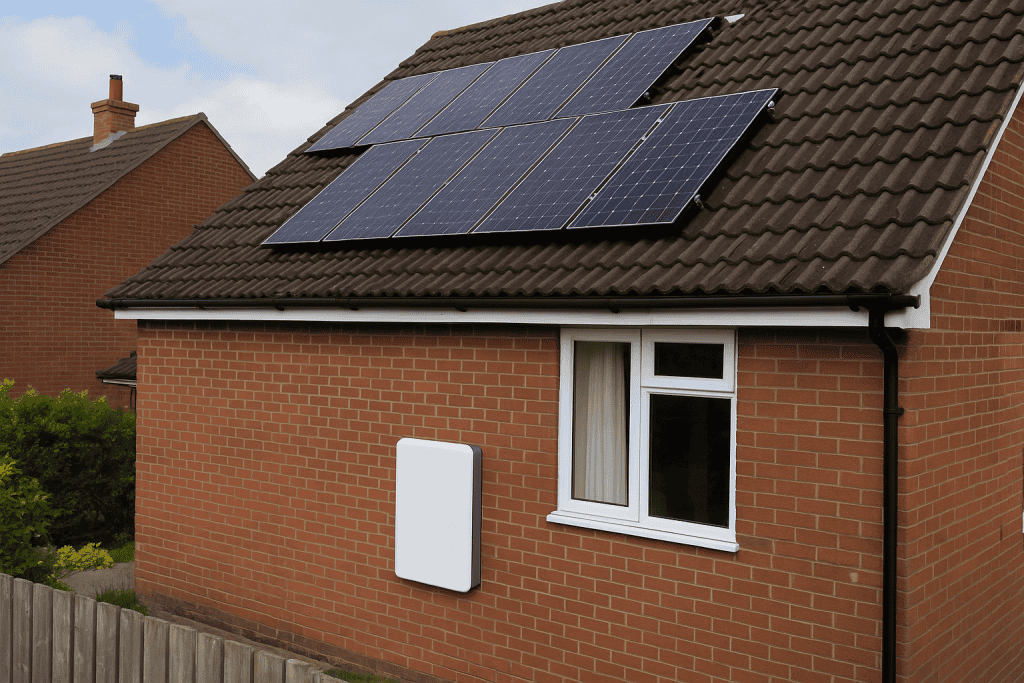
A semi-detached home in Leeds installs a 5 kW solar array with a 10 kWh battery to cut evening imports. The installer quotes £5,500 for the battery and £900 for fitting and electrical work, bringing the upfront cost to about £6,400. That sits within common UK pricing: as of 2026, many 5–10 kWh home batteries land in the £4,000–£8,000 range installed, depending on chemistry, warranty length (often 10 years), and whether the system needs a new consumer unit.
VAT can materially change the maths. The UK applies 0% VAT to the supply and installation of energy-saving materials in Great Britain until 31 March 2027, including batteries when installed with solar, under HMRC rules (GOV.UK). If a quote includes 20% VAT, the homeowner should ask the installer to confirm eligibility and reprice.
Payback depends on how the battery interacts with export payments. Under the Smart Export Guarantee (SEG), suppliers pay for exported electricity, but rates vary by tariff and supplier (Ofgem). A battery can reduce exports by storing surplus solar, which may lower SEG income, while increasing self-consumption and avoiding imports. In practice, households with high evening use and time-of-use tariffs often see the shortest paybacks; the right sizing starts with what solar system should match your demand profile.
Performance and suitability factors in Britain (capacity, power rating, round-trip efficiency, and tariff compatibility)
A higher-capacity battery (Option A) stores more kilowatt-hours for evening use, while a higher power rating (Option B) delivers more kilowatts at once for cooking, kettles, and heat pumps. In Britain, many homes pair 5–10 kWh capacity with 3–5 kW continuous power, which usually covers typical evening loads without oversizing.
| Factor | What to prioritise | Typical UK-relevant range |
|---|---|---|
| Capacity (kWh) | Longer run-time and higher solar self-use | 5–10 kWh for many households |
| Power rating (kW) | Running more appliances simultaneously | 3–5 kW continuous |
| Round-trip efficiency | Lower losses per charge–discharge cycle | About 85–95% for lithium-ion |
| Tariff compatibility | Cheaper charging windows and export rules | Works best with time-of-use tariffs |
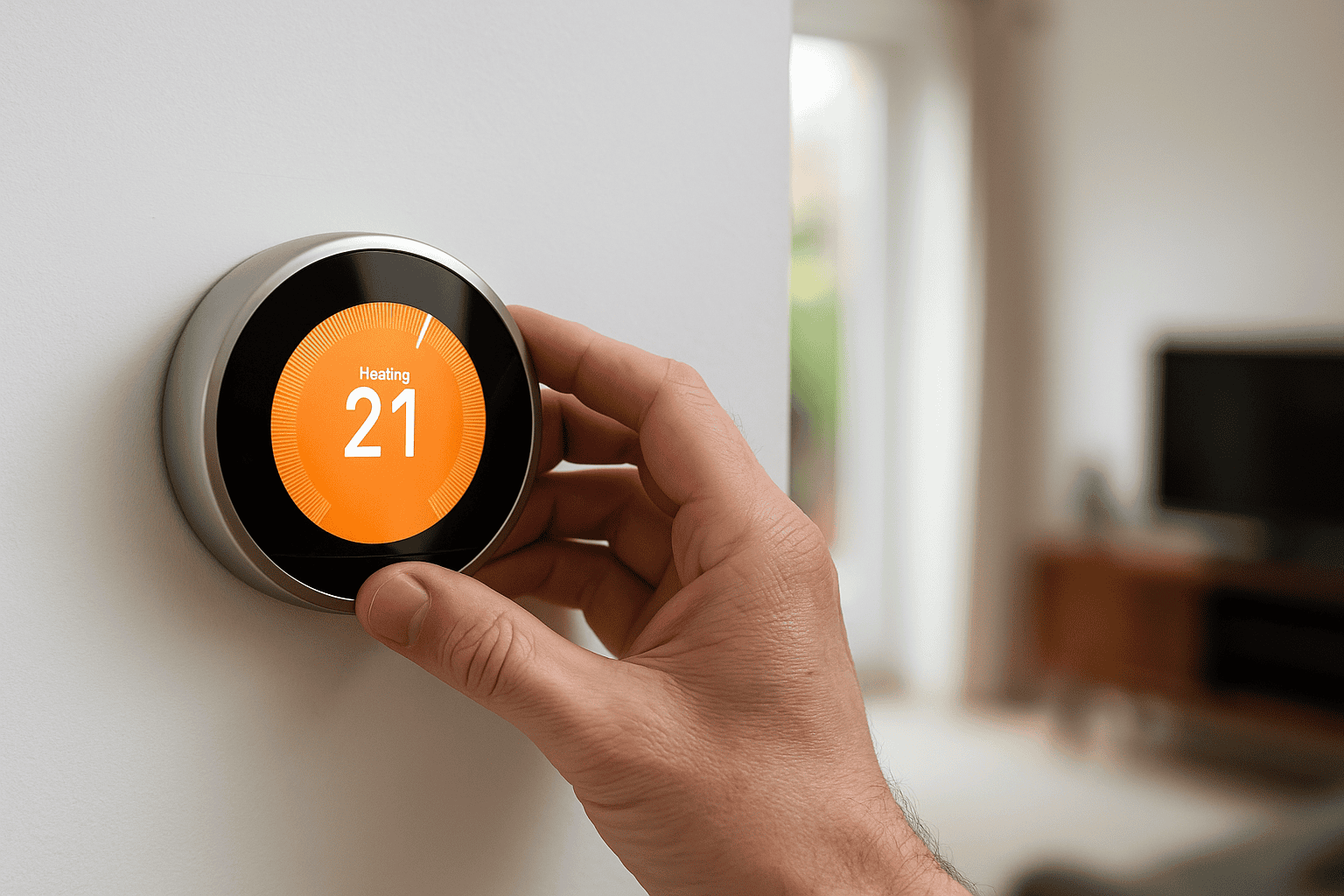
Practical implications depend on tariffs and metering. A battery that supports scheduled charging can exploit off-peak rates, while export-limiting and smart controls help avoid wasting solar on bright summer days. Before sizing, align battery specs with your inverter and tariff plan, and cross-check your solar design using what solar system should.
Risks, limitations, and decision checklist for British homeowners (warranties, degradation, safety, and when it is not worth it)
Home batteries can disappoint when savings fall short of the warranty period. Most products carry a 10-year warranty, yet capacity typically drops to about 60–80% by year 10, depending on cycle count and temperature limits set by the manufacturer. Safety also matters: lithium-ion systems require correct siting, ventilation, and protective devices, and installers should follow Building Regulations Approved Document P and current IET wiring rules.
Use a simple checklist before committing: confirm the battery’s usable kWh (not just nameplate), the continuous kW output, the round-trip efficiency (often 85–95%), and whether the warranty caps annual throughput in kWh. Ask for a tariff-based model using your half-hourly smart meter data, then compare the forecast annual saving against the installed price.
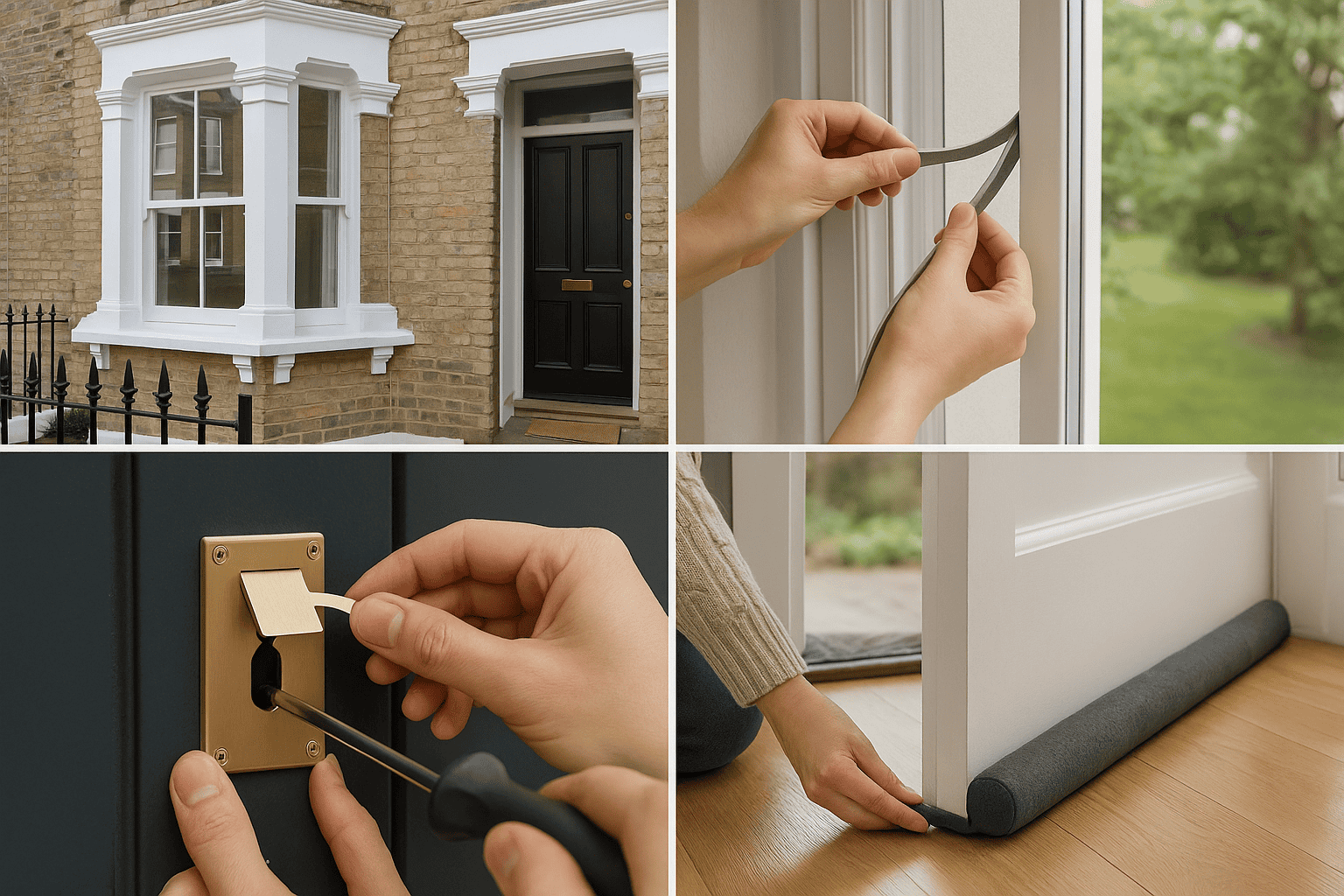
A battery is often not worth it if the home lacks a smart meter, cannot access time-of-use rates, has low evening demand, or already exports most solar at a strong SEG rate. If the property still needs insulation or draught-proofing, prioritise those measures first.
Frequently Asked Questions
How much can a home battery reduce electricity bills in Britain under a typical time-of-use tariff?
Under a typical time-of-use tariff in Britain, a home battery can cut grid electricity costs by shifting 3–8 kWh per day from peak to off-peak periods. With a 15–25 p/kWh peak–off-peak gap, that saves about £0.45–£2.00 per day, or roughly £165–£730 per year, depending on usage and battery size.
What is the typical payback period for a home battery in the UK, and which variables change it most?
In the UK, a home battery typically pays back in 8–14 years, with shorter periods (6–10 years) when paired with solar and time-of-use tariffs. The biggest variables are usable capacity (kWh), installed cost (£4,000–£10,000), electricity price spread between peak and off-peak, annual cycling rate, export payments, and battery degradation/warranty limits.
How do home batteries work with solar PV in Britain during winter months and low-generation periods?
In winter, UK solar PV output often drops by 60–80% versus summer because of shorter days and lower sun angles. A home battery stores surplus daytime generation and supplies evening loads, reducing grid imports. During prolonged low-generation spells, the battery charges less and may rely on off-peak grid charging (typically 4–7 hours overnight) to cover peak-rate periods.
What battery capacity (kWh) and power rating (kW) suit a typical British household’s daily usage?
For a typical British household using about 8–10 kWh per day, a 5–10 kWh battery usually fits daily cycling. Choose a power rating of 3–5 kW to run common evening loads (lighting, TV, broadband, fridge) and cover short peaks from a kettle or microwave. Larger homes often suit 10–15 kWh and 5–7 kW.
Which UK incentives, tariffs, or schemes in 2026 can improve the economics of home batteries?
In 2026, UK economics improve through the Smart Export Guarantee (SEG) for paid exports, time-of-use tariffs (for example, off-peak rates 3–5× cheaper than peak), and the 0% VAT relief on residential battery installations (extended to 31 March 2027). Some councils also offer local grants or low-interest loans, which can cut upfront costs by 10–30%.
How long do home batteries last in the UK, and what warranty terms and cycle limits should buyers compare?
Most UK home batteries last 10–15 years, with usable capacity typically falling to 60–80% by year 10. Compare warranties on:
- Term: usually 10 years
- Throughput: commonly 20–40 MWh
- Cycle limit: often 6,000–10,000 cycles
- End-of-warranty capacity: typically 60–70%
What permissions, safety standards, and installation requirements apply to home batteries in British homes?
Most home batteries in Britain fall under permitted development, but listed buildings and conservation areas often need consent. Install to BS 7671 (IET Wiring Regulations) and follow manufacturer fire-clearance rules. Use an MCS-certified installer for grant eligibility and quality assurance. Grid-connected systems usually require DNO notification under G98/G99.